Archive
Artown Now
Listening, freedom, and creation in the local community.
Text
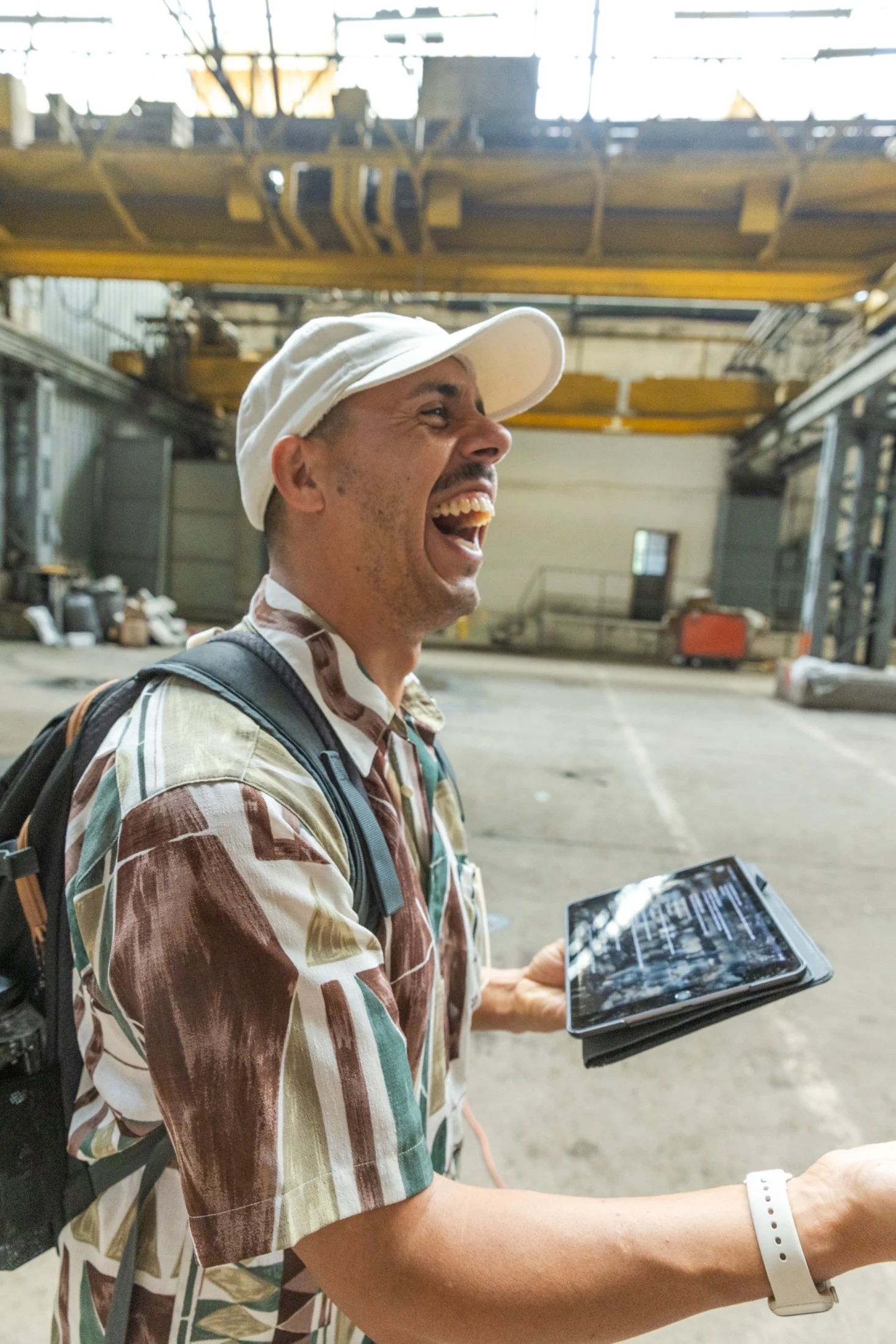
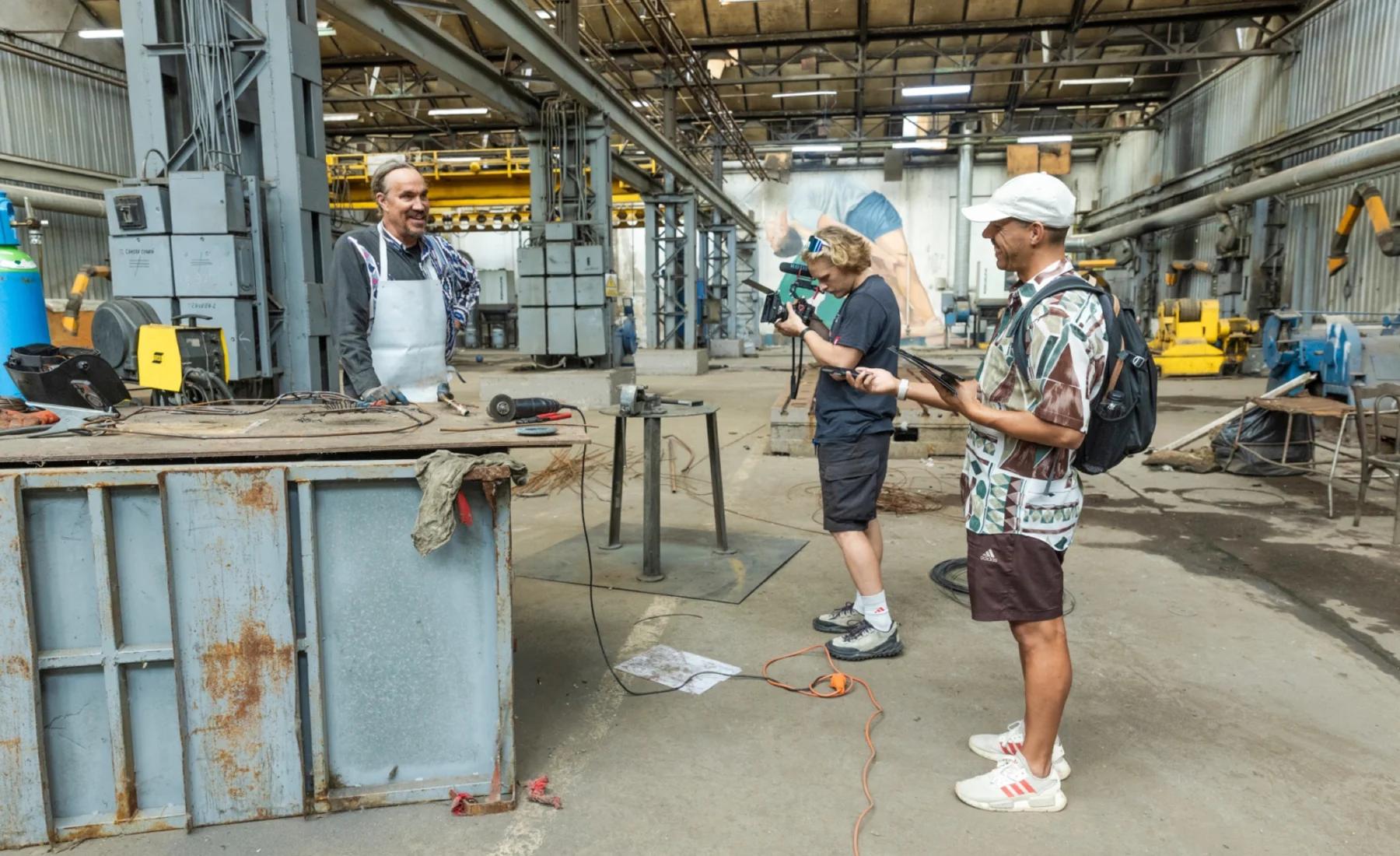
During the production of the Artown NOW, in Romania, UZUC was a place for listening and a source of inspiration. I wandered through an old factory while the construction work was still taking shape, accompanied artists as they worked, captured conversations, voices, and fragments of the space, and connected with the community through writing and the spoken word.
Freedom began to permeate these encounters with a question: What remains free when the body, the city, and life learn to move within the forms assigned to them?
I approached each artwork as one might approach a voice. From that encounter, several sound pieces were born—one for each artwork. Some captured words; others, noise, breathing, repetition, or silence. Each one sought to remain close enough to what it heard without attempting to translate it.
Development
When I arrived at UZUC, I looked around and started recording. Sounds. Mostly noise.
There were works still searching for their form, scattered materials, repetitive gestures, and conversations interrupted so that the work could continue. The factory was filled with that rare state in which a work of art can be anything it wants to be.
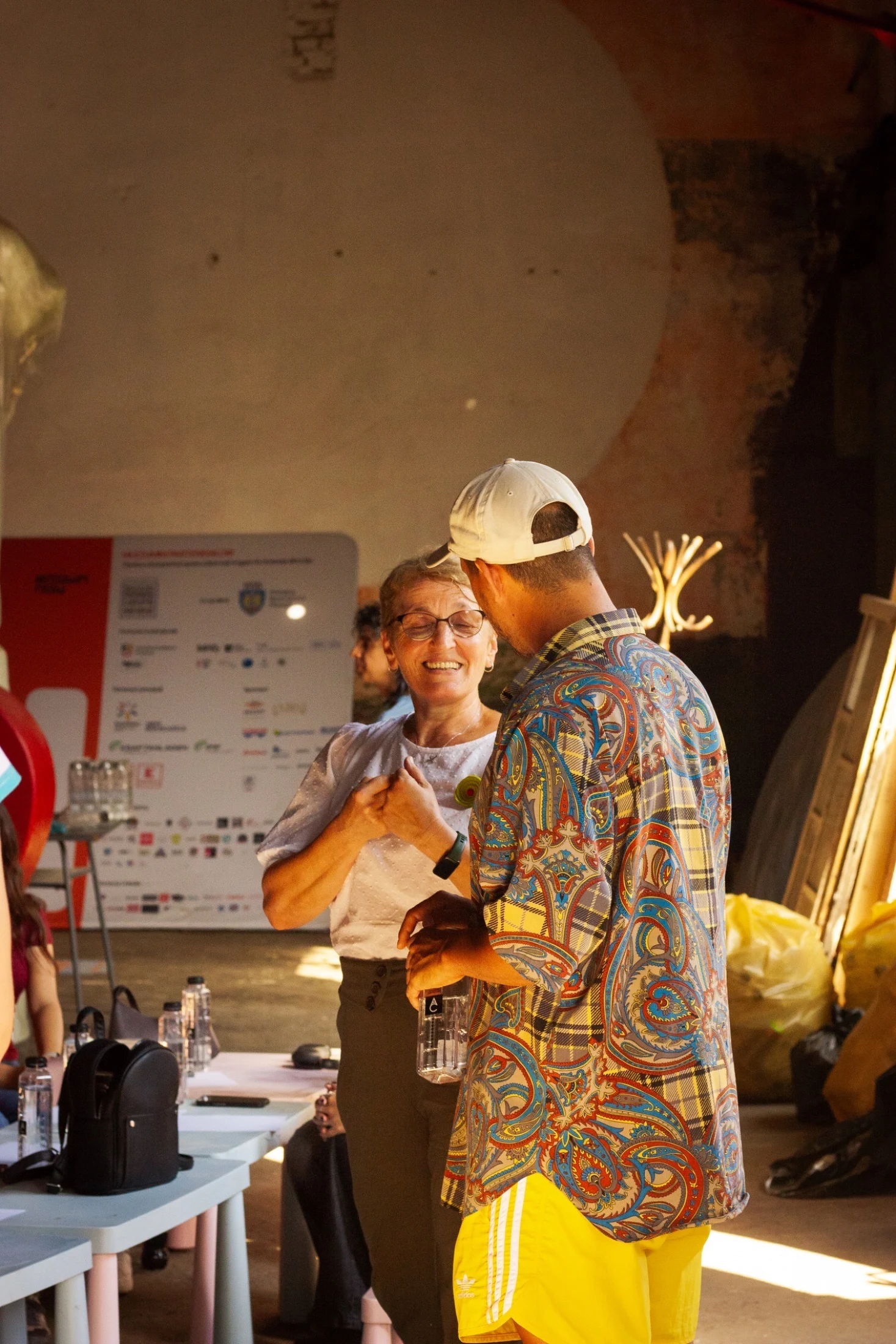
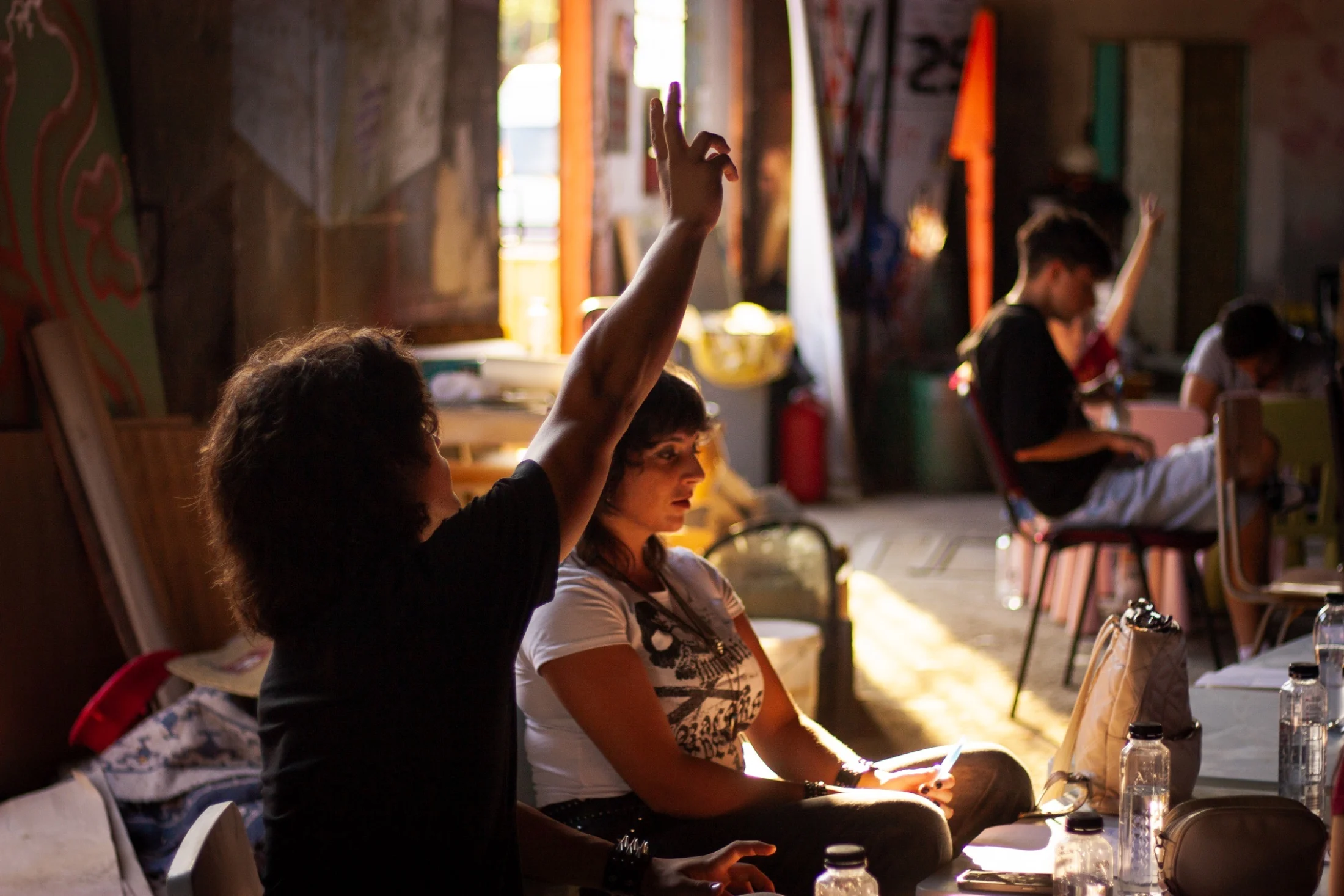
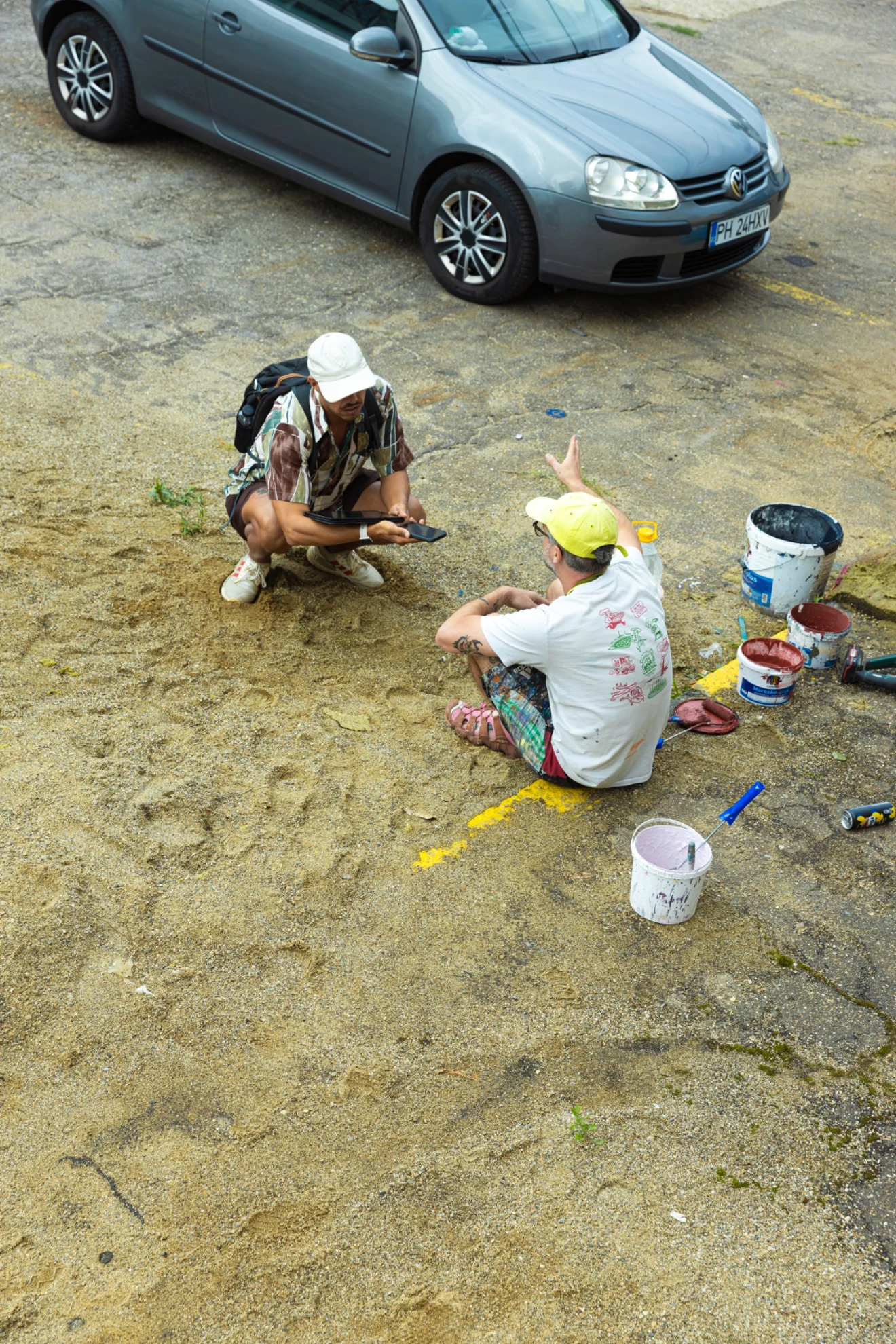
I walked through the space, stopping to talk with each artist—first observing, then asking questions. I wanted to understand what existed before the artist explained the work: what had inspired it, what freedom the artist was seeking, what limits the artist was facing, and what still remained to be decided.
It was in those conversations that the idea of freedom began to come up frequently. I also found it in the works themselves—sometimes in what they broke with, other times in what they refused to resolve.
Each artwork took me to a different place, and I realized it wouldn't make sense to create a single sound piece. So I made several—one for each artwork.
Workshops
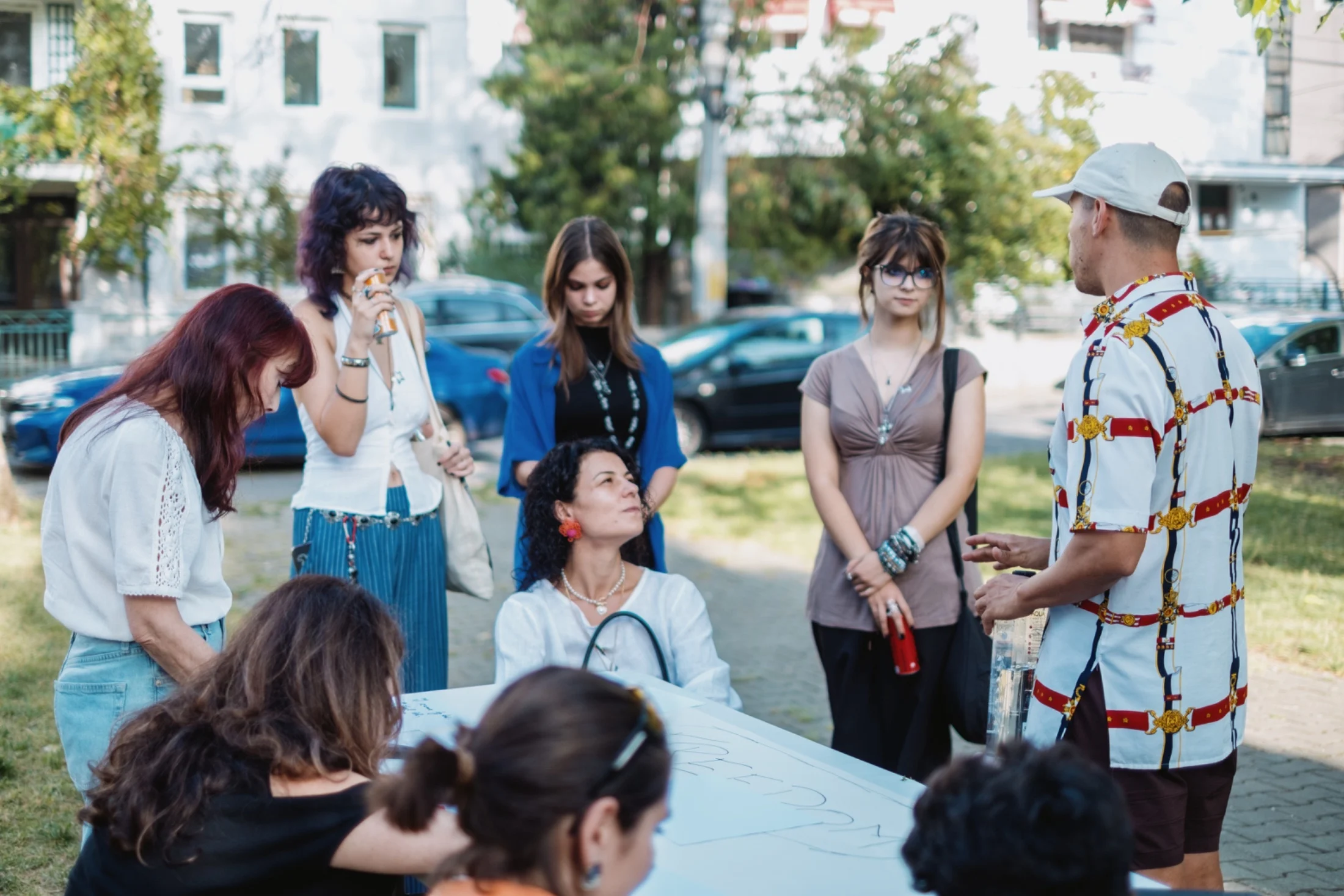
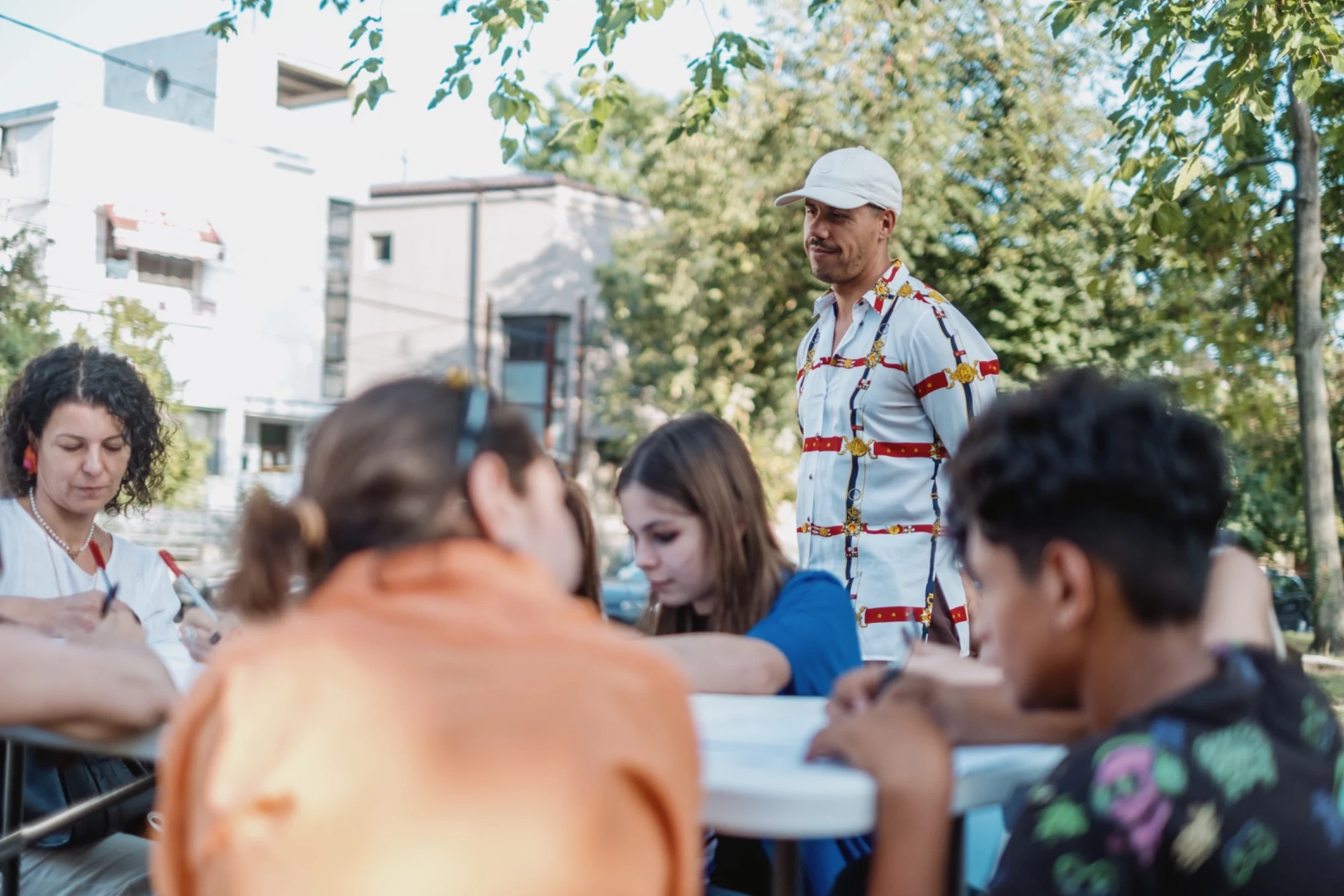
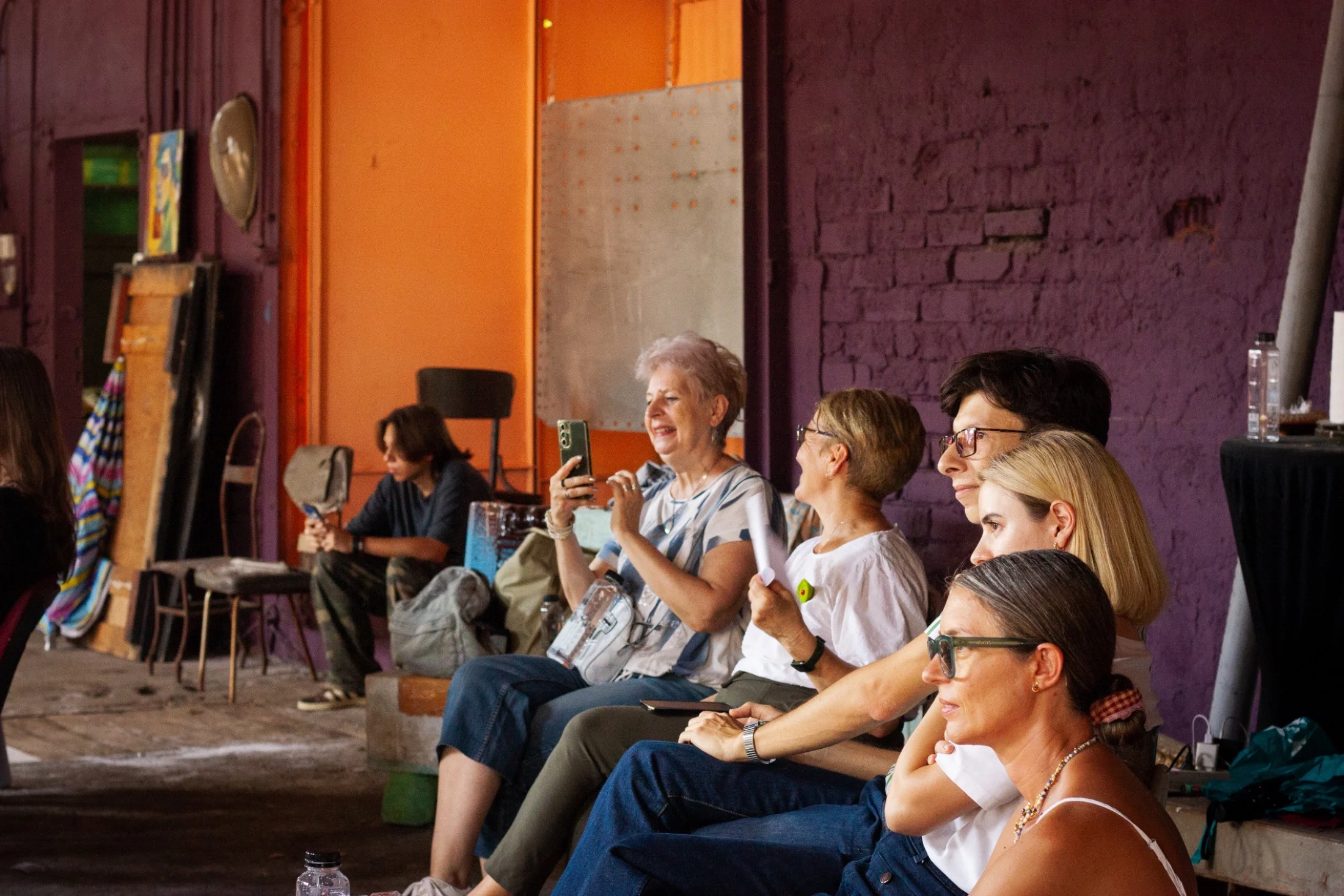
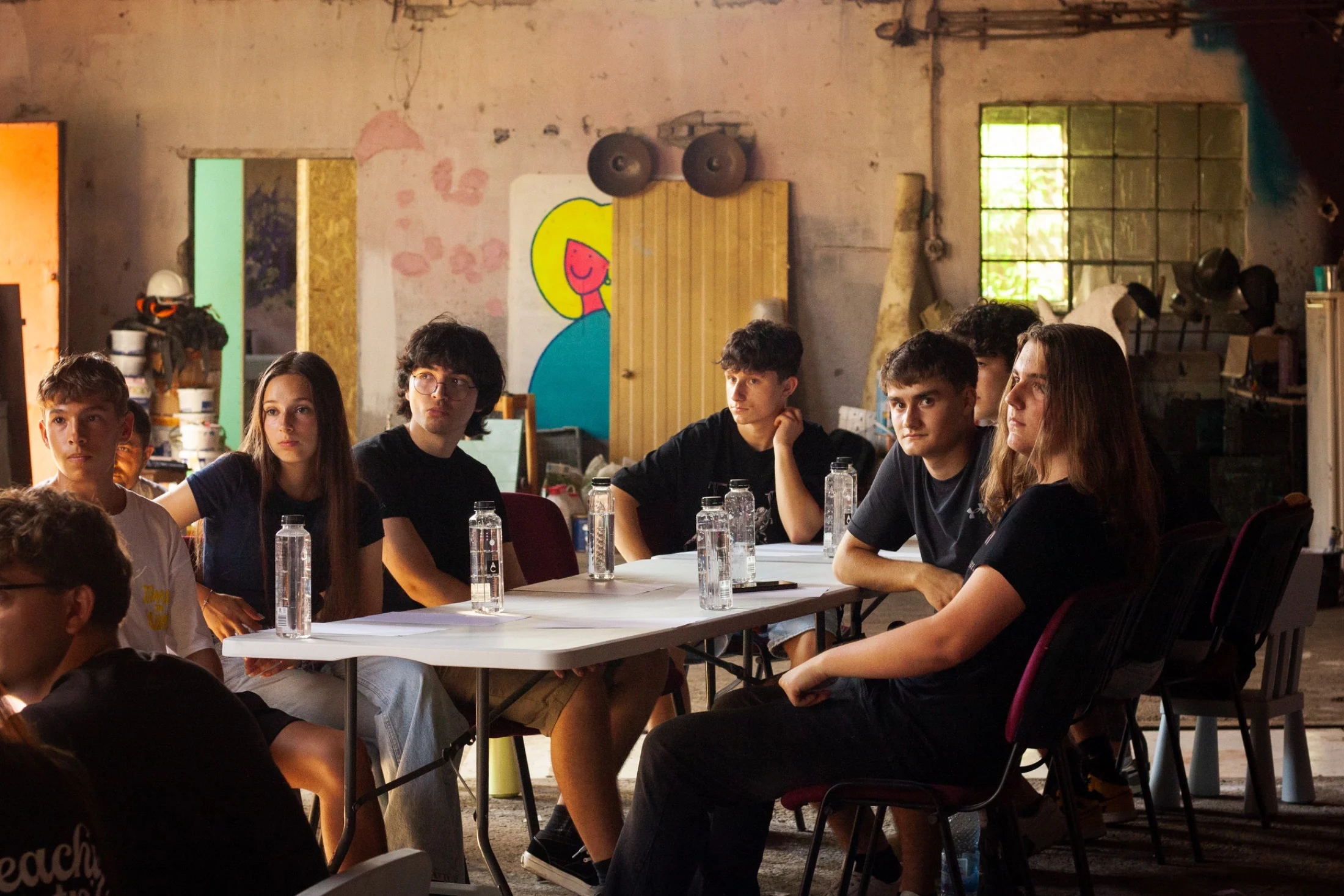
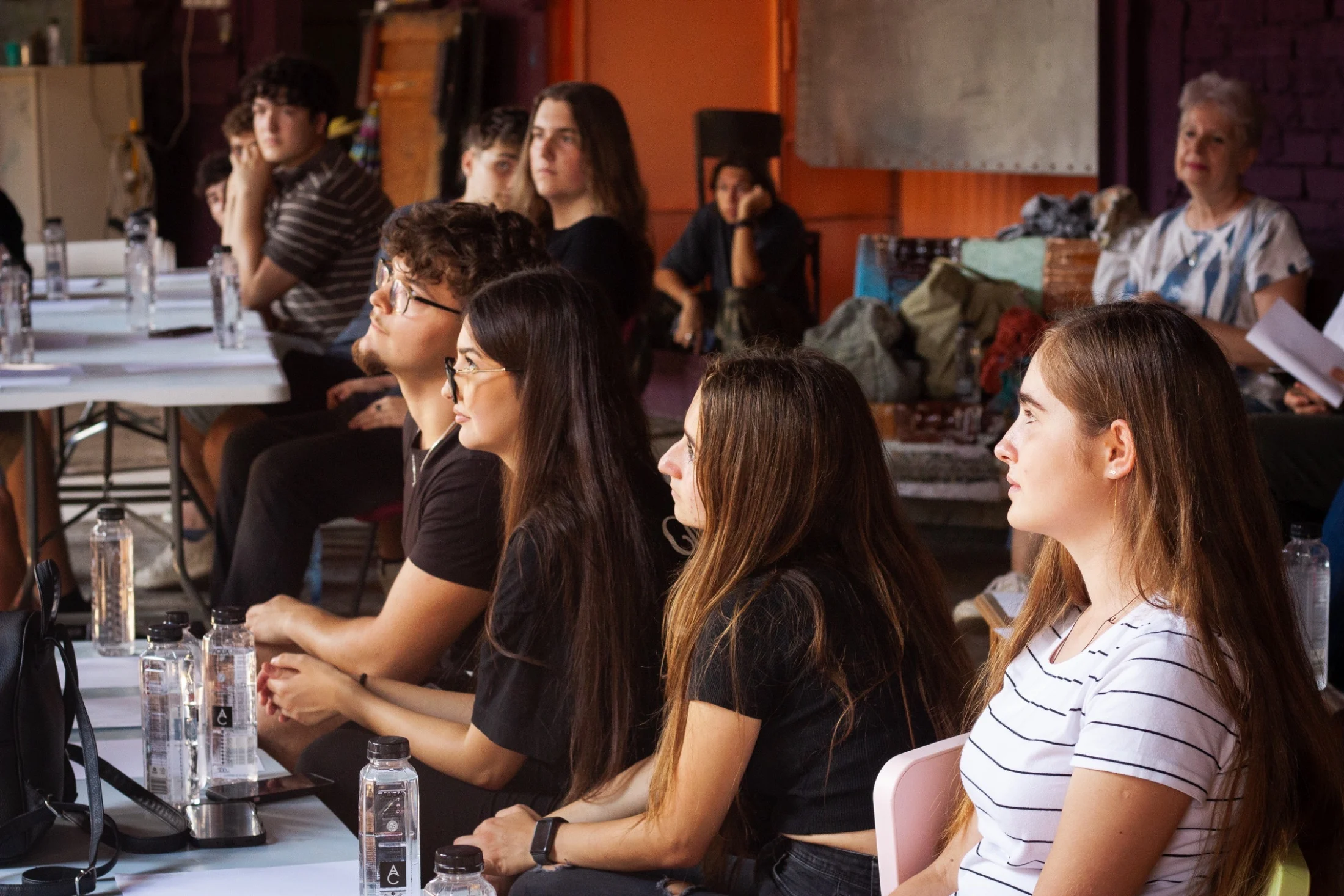
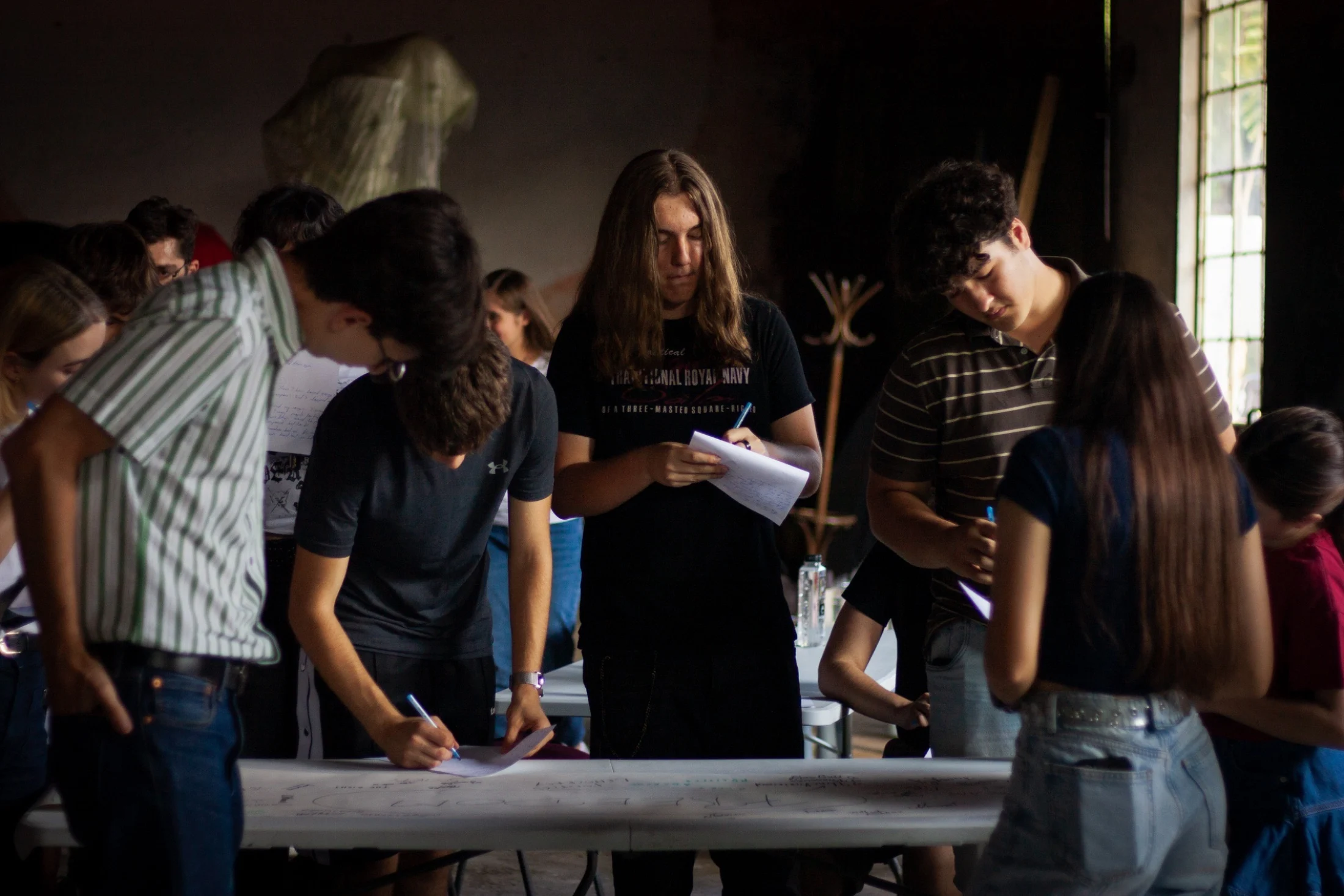
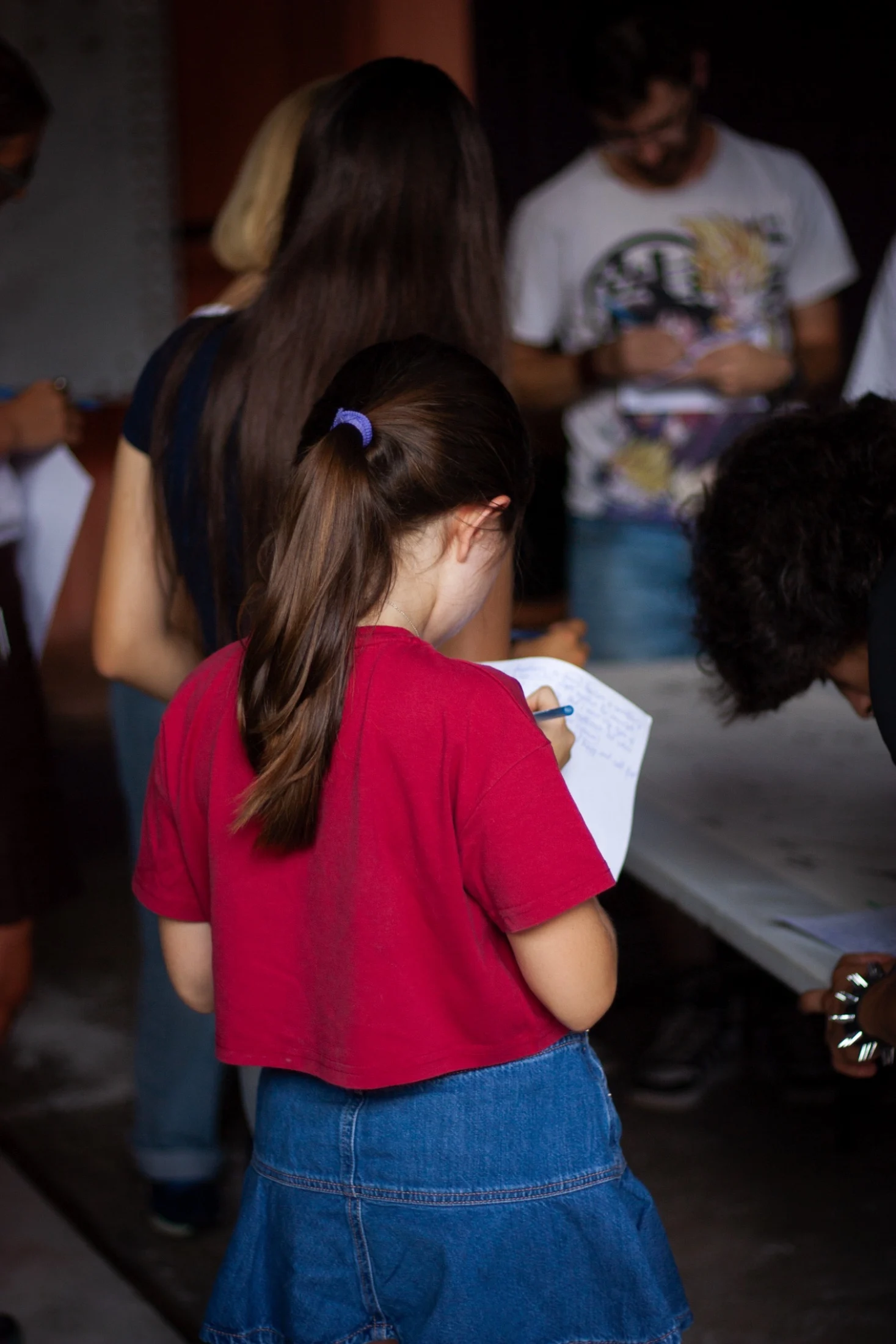
In the workshop, “Are We Truly Free?” we worked with the participants. We started with everyday life, the choices we make, and the ones we think we make. Writing allowed us to explore the question without turning the workshop into a theoretical discussion.
We worked on some of the basics of slam poetry and the relationship between writing, voice, and stage presence. We did free-writing exercises to try to write before we started worrying about finding the right phrase, the fear of failing, or what others might think. Often, we’re the ones who cut a sentence short before it even exists.
Then came the voice. We worked on breathing, rhythm, intention, silence, and some tools for speaking in front of others. The words came off the page and were spoken. Some words changed as they passed through the body.
We didn’t arrive at an answer about freedom. That wasn’t what I was looking for, either. What interested me was that each person could write without immediately correcting what came to mind, and then find a way to express those words in front of others.
Documented process
I spent time with the artists while they worked, talked with them, and recorded those conversations. I was interested in their references, their doubts, their decisions, and also in what emerged unexpectedly from a question. Sometimes, a seemingly tangential remark would end up shaping an entire piece.
Then I would return to the material, write, and compose. I used the voices, the sounds of the factory, the noise, and the text differently in each work. There was no formula to repeat from one work to the next. There was what I had seen, what I had heard, and what each encounter had left me with.
Gallery